The Puritans were a group of English settlers who sailed to America on the Mayflower Ship to escape from war and totalitarianism. There were two distinct pairs of Puritan groups: the separatists (also known as non-conformists) who decided to depart from England, and the non-separatists who tried to reform the Church of England from its Catholic practices.
Separatists saw that purifying the Church would fail, knowing that King Charles I would oversee the changes, and seek to attack non-conformists for trying to reconcile it. For if the Puritans did decide to remain in England, it would have started a battle that could turn into a Civil War.
As a result, the Separatists knew they would be under siege by the king, just as others were throughout history in England for sending out transcripts of the Bible. Those involved people who translated the Bible into English, including William Tyndale and John Wycliffe, along with his followers known as “the Lollards,” who were hunted down and martyred by English and Catholic strongholds. Therefore, the Puritan separatists would flee from England onto the new world to build their own church, based on the Geneva Bible, which was published in 1599.
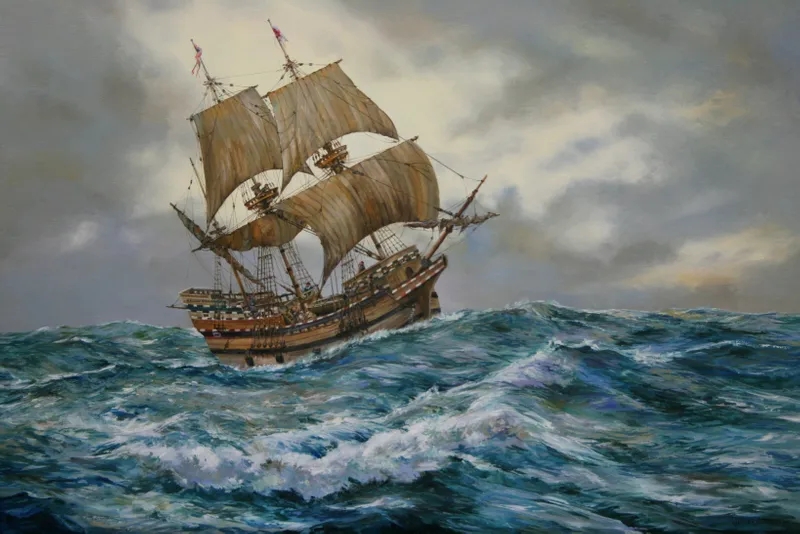
In the year 1620, Christopher Jones, the captain of the Mayflower Ship, sailed through the stormy Atlantic waters, with powerful waves almost turning over the ship, losing direction. Some of the Puritans started to doubt this pilgrimage because of the weather conditions, becoming lost at sea, and finding a safe place to arrive at, with the right necessities needed to survive on their journey. Once the Puritans arrived to America, they landed on Plymouth Colony, a small territory that is located in Massachusetts.
Most of the Puritans felt they were doing the right thing, while others wanted to turn back. However, they managed to continue through prominent leaders who were determined to establish their church based on reformed doctrine. The Reformation would be brought into America through a reformed movement known as Puritan Congregationalism, which would lead to new Protestant denominations. Because of doctrinal differences, the Congregationalists would split into diverse groups that included the Quakers and Anabaptists, the Calvinists and Lutherans, and others that formed into their own Protestant sects.
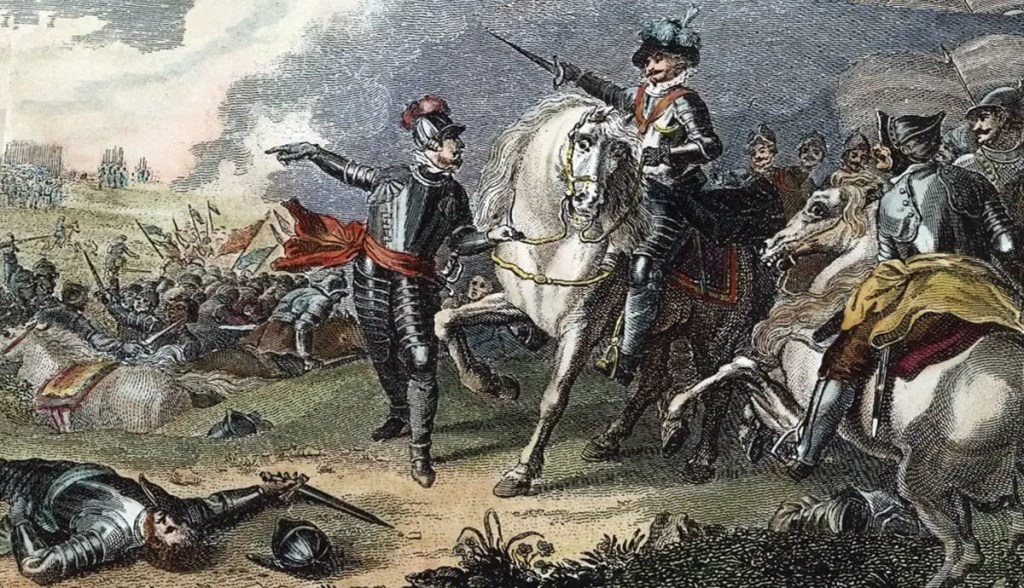
Non-Separatists who refused to migrate to America began to experience what the other Puritans had warned them about. Without the Church of England changing any of its tradition, non-separatists became part of a Civil War that occurred throughout the United Kingdom from what others anticipated would happen. Many Puritans knew that if they didn’t flee the country, a war would evolve over religious and political conflict between the Parliamentarians (who battled against Charles I) and the Cavaliers, also known as the Royalists, who fought to support an absolute monarchy.
This war brought to mind some of the most profound Puritan thinkers who made an early decision — that is, to part ways from England by believing it was the right move, knowing how the Church would respond to its opposition.
John Robinson, one of the main leaders of the Puritan movement, wrote:
“Our divine instrument is the Holy Scriptures to teach us what to believe, hear and learn, of all things concerning God, not by what the Church decrees us to know, but how we interpret in ourselves what God says through his word alone.”
Others who became part of the Puritan movement — John Bunyan, John Owen, Thomas Brooks, and many more that helped lead the Pilgrims to America — were influenced by the reformers of the 16th century (based on reformed theological thought.) So the Puritans, for the most part, would support what the reformers believed, including the theology that John Calvin taught to bring forth reformation, restoration, and new age revolutions in America.
After learning about the pilgrims and puritans rise to prosperity in America, the king would not hesitate to send English migrates there to fight for control over democracy. When agents of the king (or English settlers) plummeted America into its own centralized government, people would begin to see American history in a whole new perspective. However, this would not acquit the puritan roots from being established in America, for a great awakening took place before the Constitution was under development.
Jonathan Edwards helped lead the American Enlightenment Movement in the early 18th century, which magnified the Westminster Confession of Faith, an assembly that took place in 1646. The Westminster assembly was a reformed confession of faith that emphasized the sovereignty of God over man’s free will to control all things by his divine decree.
America became part of the reformed tradition based on Westminster philosophy, later becoming a foundation of mixed beliefs. Whereas the Constitution was drawn up by people of different backgrounds—that was signed by leaders of different religious traditions within one political unity, under God, to allow people their individualized freedom.
 Bible outlook
Leave a comment